



Self-insured employers invest heavily in preventive benefits, wellness programs, screenings, and care management resources. But offering these benefits doesn't guarantee employees will use them.
When preventive care is delayed, health risks may go undetected and chronic conditions become harder—and more expensive—to manage. According to the CDC, chronic and mental health conditions account for roughly 90% of the nation's annual healthcare expenditures. While preventive care can't eliminate those costs, it can help identify risks earlier and support better long-term health.
For employers, increasing participation in preventive care means helping employees make better use of their benefits while supporting a more proactive approach to healthcare cost management.
Well-designed incentives can help bridge the gap between awareness and action by giving employees a timely reason to complete important preventive health activities.
Why Do Employees Delay Preventive Care?
Employees often delay preventive care for practical reasons rather than a lack of interest. Common barriers include:
- Competing work and family responsibilities, along with scheduling or transportation challenges
- Confusing benefit information or communications that are easy to overlook
- Preventive care feeling less urgent when no symptoms are present
- Concerns about privacy or how health information will be used
While incentives can't eliminate every barrier, they can give employees an immediate reason to prioritize an important health activity. Used alongside benefit education, care navigation, and wellness communications, incentives help turn awareness into action.
How Do Preventive Health Incentives Increase Participation?
Preventive health incentives help turn good intentions into action by giving employees an immediate reason to complete a health activity whose benefits may otherwise feel distant.
Employees complete an eligible health activity, the employer or program administrator verifies it, and the reward is delivered promptly. Follow-up communications can then encourage continued participation.
The goal isn't to pay employees to become healthy or guarantee clinical outcomes. It's to encourage important preventive actions that employees might otherwise postpone.
Research reviewed by County Health Rankings & Roadmaps suggests financial incentives can increase the use of certain preventive services, especially when tied to specific actions. The Incentive Research Foundation (IRF) also notes that gift cards work well because they're familiar, easy to understand, and can be delivered quickly after an eligible activity is verified.
Employees might earn rewards for:
- Completing an annual wellness visit
- Completing a biometric or recommended health screening
- Refilling medication for a chronic condition
- Receiving an eligible vaccination or completing a health education activity
These are activity-based incentives, meaning employees earn rewards for completing a defined health action rather than achieving a specific health outcome.
Incentives work best alongside clear communication, not in place of it. Employees need to understand why an activity matters, how to complete it, and what their benefits cover. The incentive provides an immediate reason to follow through.
Which Preventive Health Activities Can Employers Incentivize?
Employers can use incentives to encourage a wide range of preventive and condition-management activities. The best choices align with workforce needs, health plan goals, and program requirements.
Common examples include:
- Routine preventive care
- Annual physicals and wellness visits
- Preventive dental and vision care
- Age-appropriate screenings
- Vaccinations
- Ongoing health management
- Biometric screenings and health risk assessments
- Medication adherence
- Diabetes, hypertension, and other chronic-condition programs
- Tobacco cessation and lifestyle management
- Care management education and coaching
Focus on activities that are clearly defined, easy to verify, reasonably accessible, and tied to a broader health or benefits objective. Employees are more likely to participate when they understand exactly what they need to do and what they'll receive in return.
What Makes a Preventive Health Reward Effective?
An effective reward isn't just about value. It also needs to be easy to understand, meaningful to employees, and delivered soon after the qualifying activity.
Effective preventive health rewards are:
- Clear and meaningful
- Easy to receive and redeem
- Aligned with program goals
- Simple to administer and track
Different populations may call for different reward strategies. Some employers may prioritize employee choice and personalization. Others may prefer rewards connected to health and wellness or products with more defined spending controls.
| Reward approach | Potential advantage | Appropriate use |
|---|---|---|
| Choice-based reward | Offers greater flexibility and personalization | Broad or diverse employee populations |
| Health-aligned merchant gift card | Reinforces healthy everyday purchases | Preventive care and wellness initiatives |
| Filtered prepaid product | Provides greater control over eligible spending categories | Programs requiring more targeted use |
| Digital gift card | Enables convenient, timely fulfillment | Distributed workforces and time-sensitive campaigns |
When Does a CVS Gift Card Fit a Preventive Health Program?
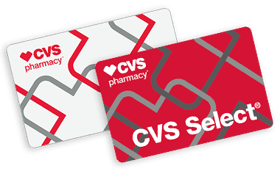
For employers that want the reward experience to remain connected to health and everyday well-being, CVS® Gift Cards can provide a familiar and accessible option. With thousands of locations nationwide, they provide employees with convenient access to health, wellness, personal care, and everyday essentials.
Because the reward is tied to a health-focused retailer, it helps maintain a clear connection between the preventive activity and the benefit employees receive. Depending on the card terms, employees can use their rewards for items such as over-the-counter medications, first-aid supplies, and personal care products.
What Do Self-Insured Employers Gain from Greater Participation?
A successful incentive program does more than distribute rewards—it increases participation in the health activities the program is designed to encourage.
Potential benefits include:
- Increased participation in targeted preventive activities
- Better use of existing health benefits and resources
- Greater engagement in chronic-condition and care-management programs
- Earlier identification of health risks
- More consistent participation across employee populations
- Better visibility into participation and reward spending
- More efficient program administration
Earlier preventive engagement may contribute to long-term cost management, but incentives shouldn't be viewed as a guaranteed source of claims savings. Results depend on the activity being encouraged, participation rates, reward costs, and the employer's ability to connect engagement with health and claims data.
Measure program performance using metrics such as:
- Participation and completion rates
- Cost per completed preventive action
- Reward delivery and redemption rates
- Participation differences across eligible employee groups
- Changes in targeted care-gap closure
- Engagement in follow-up care or condition-management activities
- Longer-term utilization and cost trends, where appropriate data is available
How Can Employers Administer Preventive Health Incentives at Scale?
Designing an effective incentive program is only the beginning. Employers also need to verify activities, distribute rewards, manage budgets, resolve delivery issues, and measure results—tasks that become increasingly complex across large workforces and multiple benefits partners.
Many employers work with TPAs, wellness vendors, and benefits partners to administer incentive programs. With the right fulfillment infrastructure, these partners can verify eligible activities, automate reward delivery, standardize processes across employer groups, and provide participation reporting.
The Engage2Reward™ Gift Card Ordering Platform streamlines reward fulfillment by automating distribution, reducing manual administration, and providing greater visibility into program performance.
Relevant capabilities include:
- Bulk or triggered reward delivery tied to verified health activities
- Instant digital distribution by email or SMS
- API integration with TPA, wellness, benefits, or care-management workflows through the Engage2Reward™ Gift Card API
- Separate campaigns and configurations for different employee populations
- Budget controls, approval processes, and reporting dashboards
- Flexible reward options, including CVS gift cards, choice-based rewards like the Engage2Reward™ Choice Card, and filtered prepaid products
- Delivery tracking and audit visibility for HR, benefits, and finance teams
How Do Employers Maintain Compliance and Oversight in Incentive Programs?
Preventive health incentive programs require careful attention to eligibility, privacy, accessibility, nondiscrimination, and reward structure.
Compliance requirements vary based on how a wellness program is structured. Employers and their advisors may need to consider HIPAA wellness program rules, the Affordable Care Act, the Americans with Disabilities Act, GINA, ERISA, tax treatment, and applicable state laws.
Employers should work with benefits counsel, TPAs, and plan advisers to determine:
- Which employees are eligible
- How activities will be verified
- Whether a reasonable alternative must be available
- How health and participation data will be protected
- Appropriate incentive amounts
- How rewards will be funded, tracked, and reported
- How the program will be communicated accurately
The Engage2Reward Platform can support controlled fulfillment, budget administration, delivery records, and audit visibility. These capabilities help employers administer program rules consistently, but the platform does not replace legal, benefits, or compliance review.
Key Takeaways
- Preventive benefits deliver more value when employees actively use them.
- Well-designed incentives encourage participation by rewarding specific preventive health activities.
- The most effective programs combine meaningful incentives with clear communication and accessible care.
- Reward selection, timely fulfillment, and simple administration all influence program success.
- Employers should measure participation and engagement while taking a realistic view of long-term cost impact.
Turn Preventive Benefits Into Preventive Action
Self-insured employers already invest in preventive benefits, wellness programs, and care management. The challenge is turning those investments into employee participation.
Preventive health incentives help close that gap by rewarding employees for completing important activities such as wellness visits, screenings, vaccinations, and medication-management programs. When combined with clear communication and accessible care, incentives encourage greater engagement with preventive benefits.
To succeed, employers need more than an attractive reward. They also need a reliable way to verify activities, deliver incentives quickly, manage budgets, and measure participation.
The Engage2Reward Platform helps self-insured employers, TPAs, and benefits partners manage that fulfillment at scale. With automated reward delivery, flexible incentive options, API integration, reporting, and program controls, organizations can build preventive health incentive programs that are easier to administer and measure.
Ready to increase preventive health participation?
Learn how the Engage2Reward Platform helps employers, TPAs, and benefits partners deliver preventive health incentives that are easy to administer, easy to measure, and meaningful to employees.




.png?width=600&height=600&name=3D8DC522-2245-490E-AA26-63567A199A4C%20.png)