


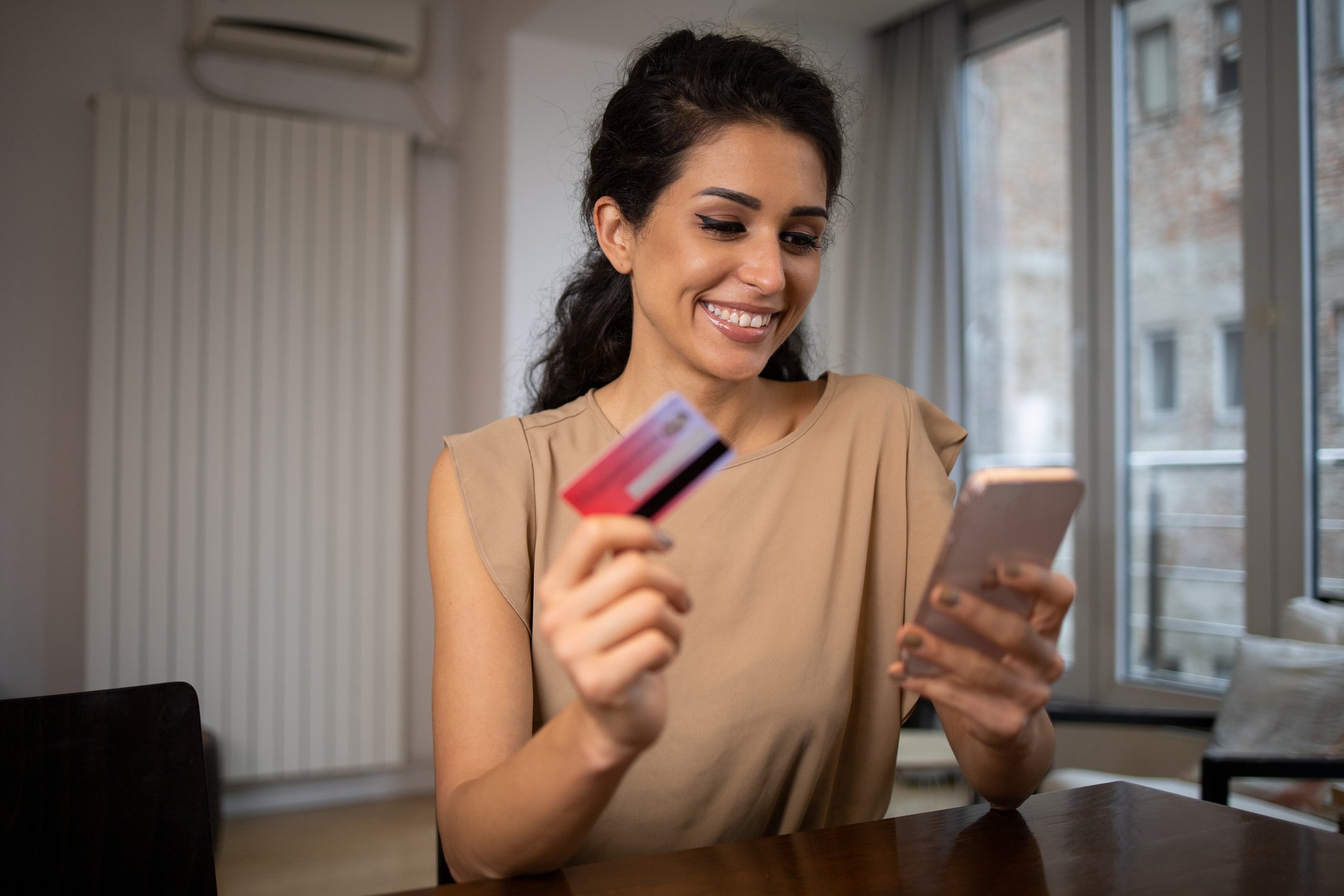
For many brands, gift cards are still treated as a one-time transaction: a customer buys a card, it gets redeemed, and the interaction ends. But across the prepaid and stored-value industry, that model is changing. More consumers are not just redeeming gift cards — they are reloading them and using them repeatedly, turning what was once a simple gift into an ongoing payment and loyalty tool.
According to a recent Payments Journal article, loading, redeeming, and reloading prepaid cards creates ongoing relationships between consumers and brands, especially when supported by rewards, security, and budgeting tools. This shift is changing how businesses should think about their gift card programs. Instead of focusing only on selling cards, brands are increasingly focused on what happens after the first redemption.
The Most Important Moment: The First Reload
From a program strategy perspective, the most important moment in the gift card lifecycle is not the initial sale — it’s the first reload. When a customer reloads a gift card, their behavior changes. The card is no longer just a gift; it becomes a preferred way to pay, a budgeting tool, or part of a loyalty relationship.
Industry research shows that prepaid usage remains strong and reload activity continues to grow as consumers use prepaid products for both gifting and personal spending. This trend reflects a broader shift toward stored-value accounts, where customers load balances for everyday spending, from coffee and retail purchases to digital services.
For brands, this is where the economics change. A one-time gift card buyer has value, but a customer who reloads becomes a repeat visitor, a higher-frequency purchaser, and often a more loyal customer over time.
From Anonymous Gift Card to Customer Relationship
Another major change in gift card programs is the shift toward registered and digital gift cards. When a customer registers a card or loads it into a mobile wallet or app, the card becomes tied to a customer account rather than remaining anonymous.
This changes the role of the gift card entirely. It becomes a communication channel, a loyalty tool, and a data source. Brands can send reload incentives, promote new products, offer birthday rewards, and track purchasing behavior. In effect, the gift card becomes part of the broader customer engagement strategy rather than just a payment method.
This shift is happening alongside broader market growth. The U.S. gift card market continues to expand, driven in part by digital adoption and corporate incentive programs, with the market expected to grow steadily through the next several years. As programs become more digital and account-based, the opportunity for ongoing customer engagement grows as well.
.png?width=900&height=225&name=professional-development-banner-ad%20(5).png)
Reloadable Gift Cards Increase Customer Lifetime Value
The reason reloadable gift cards are so powerful is simple: they influence behavior over time. When customers carry a stored-value balance with a brand, they are more likely to return to use that balance, often spending more than the remaining value on the card. Over time, this increases visit frequency, average transaction size, and overall customer lifetime value.
This is why many of the most successful gift card programs today are closely tied to loyalty programs and mobile apps. The gift card is not just a product on a retail rack — it is part of a stored-value ecosystem designed to keep customers coming back.
In fact, industry data shows that retailer-specific gift cards remain the most commonly used prepaid products, and reloadable prepaid cards continue to grow as consumers use them for budgeting, gifting, and personal spending. This reinforces the idea that gift cards are evolving from one-time gifts into ongoing spending tools tied to specific brands.
Why Program Strategy Matters More Than Ever
All of this points to an important conclusion for brands: the success of a gift card program is no longer defined by how many cards are sold, but by how often those cards are used and reloaded.
That requires more than distribution. It requires a program strategy that includes reload promotions, customer registration, digital integration, and ongoing marketing campaigns designed to bring customers back again and again.
The brands that see the most success with gift cards are the ones that treat them as part of a broader customer lifecycle strategy — not just a retail product. Because the real value of a gift card program isn’t the first transaction. It’s the second, third, and tenth.
Final Thought
Reloadable gift cards are changing the role of stored-value programs in retail, restaurants, and service industries. What used to be a seasonal product is now a year-round customer engagement and retention tool.
For brands, the opportunity is clear: when managed strategically, gift cards don’t just drive one-time revenue. They help build repeat visits, stronger customer relationships, and long-term revenue growth.
That’s where gift card program management becomes critical.
At GiftCard Partners, our role is not just to help brands distribute gift cards into the market. We work with brands to build and manage gift card programs designed for long-term growth. That includes developing reload and promotional strategies, expanding distribution channels, managing program logistics, and helping brands position their gift card program as a revenue and customer retention tool — not just a product.
As the payments industry continues to shift toward stored value, digital wallets, and reloadable accounts, brands that take a strategic approach to their gift card programs will be better positioned to build stronger customer relationships and drive repeat revenue over time.
The most successful programs aren’t built around a single transaction. They’re built around creating reasons for customers to come back, reload, and engage with the brand again and again.
If you’re looking to grow or optimize your gift card program, our team at GiftCard Partners can help you build a strategy designed not just to launch your program — but to help it grow.
Schedule a call to talk to our team about building a gift card program that drives repeat customers and long-term revenue.




.png?width=600&height=600&name=3D8DC522-2245-490E-AA26-63567A199A4C%20.png)