



CVS Pharmacy® November Wellness Newsletter
Top stories from the CVS Pharmacy® November Wellness Newsletter!
The winter months are usually one of the toughest for employees. As the weather gets colder and the holiday appraches, your employees are likely to face illness, financial stress, and lack of sleep. In this edition of the CVS Pharmacy® November Wellness Newsletter, we focus on the best ways to keep your workforce healthy, both physically and mentally, highlights on the latest news from CVS and their flu shot eGift card, and resources on wellness incentives.

The 2026 Incentive Playbook: Cross-Industry Q2 Recommendations
From HR and sales to healthcare programs and customer engagement, organizations are rethinking how incentives are structured. Tight budgets, rising expectations from participants, and pressure to demonstrate measurable ROI mean that traditional, one-off reward programs are no longer enough.
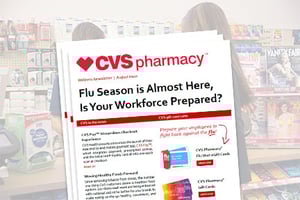
CVS Pharmacy® August Wellness Newsletter
Top stories from the CVS Pharmacy® August Wellness Newsletter!
Flu season is right around the corner. Last year more than 111 million sick days were taken as a result of the flu. In this edition of the CVS Pharmacy® August Wellness Newsletter, we focus on ways to keep your workforce healthy this season, the latest news from CVS and their flu shot eGift card, and resources on wellness and safety incentives.

How to Motivate Your Sales Team with Gift Card Rewards
Motivating your sales team is an essential component of your organization’s overall success. A highly motivated sales team is more engaged, experiences lower levels of absenteeism, and is better equipped to acquire and maintain loyal clients. However, motivation isn’t a one-size-fits-all approach; it requires a combination of recognition and appreciation tailored to the unique preferences of each salesperson.

Engaging Employees with Safety Incentives
Employee safety and wellness are fast becoming a top priority for organizations. In a given year, companies spend over $170 billion in costs associated with occupational injuries and illnesses. To reduce these costs, and to keep employees engaged and healthy, you need a successful safety incentives program, but that will not create itself. Employees do not just see a safety program and buy in 100% for an indefinite amount of time. Employees need to be incentivized to engage in the programs that you are putting out there for their, and your, benefit.


.png?width=600&height=600&name=3D8DC522-2245-490E-AA26-63567A199A4C%20.png)