


Another Piece of Evidence: Cash Not Always the Best Reward
Another study out this week, by the Incentive Research Foundation shows again, what the GCP team has known for years, cash incentives are not always the most effective. According to this new research non-cash incentives such as merchandise, travel, and gift cards prove more effective than cash rewards. Employees find them to be more valuable. They drive more competition in today's tough economy, and are viewed as a special treat, rather than cash that could be spent on bills, or groceries. Non-cash incentives must be used for a special occasion, whether it is a trip, or "free" merchandise purchased through a gift card. The trophy value of gift cards and other non-cash incentives is also important in today's economy. No one wants to lose their job, or feel as though their job is in danger, these kinds of incentives serve as better reinforcement of behavior than cash. Employees take more notice of other employees receiving non-cash incentives, rather than a check that is often included in an employees regular paycheck. So when beginning to think about end of quarter, or end of year bonuses and rewards, think outside the "cash box."
For more information on the Incentive Research Foundation study click here.
Punishing Employees for Bad Behavior
Employers are now finding ways to punish employees for unhealthy behavior. Increasingly, employers are holding their employees responsible. Instead of blindly providing health insurance to all employees on the same level, regardless of their health, employers are giving one kind of insurance to healthy employees, and a less desirable package to less healthy employees. Deductibles are higher for employees who are over weight, who smoke, or who have other conditions that result from unhealthy behavior. Employees can avoid this cost by participating in wellness programs, provided by the employer, but if they choose not to, they face the insurance increase. Some workers rights groups find these practices coercive, and unfair. Opposition to these kinds of insurance programs stem from the fact that often, it cannot be proven exactly how much more a less healthy person costs a company, than someone who is healthy and in good shape. At GiftCard Partners we believe that a Carrot Vs. the Stick approach, which offers rewards and incentives for good behavior, is far better than outcasting and punishing employees. Although these practices promote a healthy lifestyle, is it fair to essentially reduce an employees paycheck when the company cannot tell exactly how much more that person is costing them?
For more information read the full Chicago Sun-Times article If you have an opinion on these programs, or your company runs a program similar to this, leave us a comment.

The Rise of the Side Hustle: What Employers Should Do About It
The side hustle is no longer a fringe activity; it’s a defining part of the modern workforce. According to SurveyMonkey’s Workplace Culture and Trends report, nearly three in four employees (72%) either have a side hustle or are considering one. While side hustles can spark creativity and growth, they also present challenges for employers — from retention risks to engagement gaps.
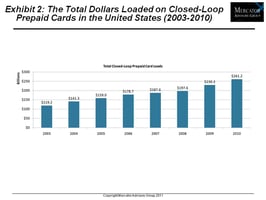
Good News Growth for Prepaid and its Gift Card Segment
Prepaid and gift cards sales are amplified with new activity as technology paves the way to better than expected growth. Mercator Advisory Group recently reported that all segments of closed-loop prepaid exceeded their previous forecasts for 2010. In-store gift cards were forecasted at 4% growth for 2010, but total load volume hit $84.6 billion, up 10% from $76.9 in 2009. The B2B gift card market realizes much of this growth via gift card categories like digital-content (online games and social networking credit) and prepaid mobile; gift cards received more loads for these digital-content activities. Retailers are also doing a better job of integrating their gift cards with loyalty programs and other consumer promotions, which catches the attention of potential incentive and rewards buyers. “Loads on employee and partner incentive closed-loop cards increased 10% and loads on consumer-incentive cards also grew 10%”, states Digital Transactions in their Mercator report overview:
Buoyed by Gift Cards, Closed-Loop Prepaid Grew Faster Than Expected in 2010 “On the whole, what we’re seeing is even the closed-loop market is showing some resilience in the face of the economy,” Jackson says. Consumers seem to be recognizing the true value of their gift cards, and “many retailers are doing a better job of integrating their gift cards with loyalty programs and other promotions, Jackson says. “They’re realizing that gift cards are not just a plastic version of paper gift certificates,” he says. Source:
Digital Transactions: Buoyed by Gift Cards, Closed-Loop Prepaid Grew Faster Than Expected in 2010

Creative Corporate Wellness: A Case Study from Xceed Financial Credit Union
As employers look for more effective ways to engage their workforce, reduce healthcare costs, and boost morale, corporate wellness programs continue to evolve. One standout example comes from Xceed Financial Credit Union, where leadership built a holistic wellness initiative that blends traditional health goals with community and personal development.


.png?width=600&height=600&name=3D8DC522-2245-490E-AA26-63567A199A4C%20.png)