


Industry Giants Combine for Contactless Payments during London 2012 Olympics
Longtime Olympic sponsor Visa, and cell phone giant Samsung have combined forces to launch a mobile app that will allow for patrons at the 2012 London Olympics to pay for purchases with a wave of their hand. The Visa payWave technology uses Radio Frequency Identification (RFID) technology to allow consumers to pay with a wave of their mobile phone, with an approved smartphone at a specially designed mobile payment terminal. Although the technology is limited to consumers who have the approved device, this technology is believed to take less time at POS than any credit card, debit card, or cash transaction. Additionally, statistics from credit card comapnies show that consumers tend to spend more per transaction at mobile payment terminals. This technology, if it catches on from the global exposure at the 2012 Summer Games, could revolutionize payment systems. Imagine being able to redeem a gift card with a wave of your hand, instead of waiting in line to redeem your gift. The time efficiency and convenience of payment could revolutionize payments, as well as change the way consumers handle their smartphones. Phones could turn into a consumer’s, phone, computer, wallet, and bank all tucked safely into their pocket.
How do you see Contactless Payment affecting credit, debit, and gift card use going forward? For more information check out this Point of Sale News article.

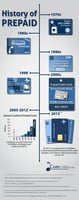
The History of Prepaid Infographic
Thank you to the Prepaid Expo for bringing us this interesting infographic, which was commissioned by CoreCard®. The History of Prepaid Infographic highlights the progression of Prepaid, starting in the 1970’s and heading into predictions for 2013. The future of prepaid is not just about spending and consumerism; prepaid will thrive in government and healthcare sectors via benefit payment programs.

From Awareness to Action: How Incentives Increase Employee Participation
Organizations invest heavily in Total Rewards programs designed to attract, support, motivate, and retain employees. Compensation, benefits, wellbeing, professional development, recognition, financial wellness, flexibility, and other workforce programs can collectively represent one of an organization's most significant investments in its people.


.png?width=600&height=600&name=3D8DC522-2245-490E-AA26-63567A199A4C%20.png)