


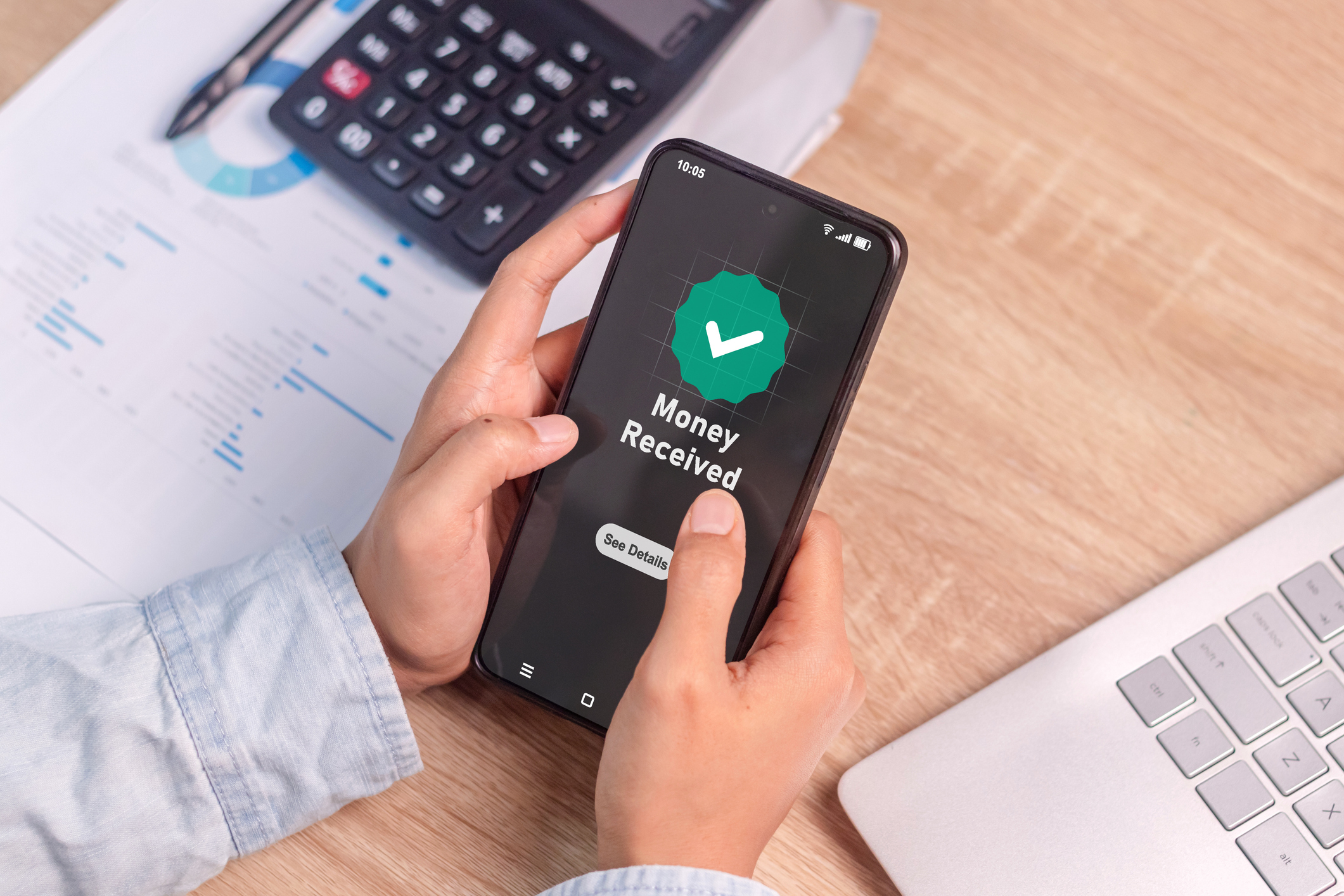
Most organizations spend significant time deciding what rewards to offer employees, customers, patients, and program participants. With gift cards, spot bonuses, incentives, and recognition awards, there are plenty of options to choose from.
But one of the most important factors influencing whether those rewards actually drive engagement often receives far less attention: When the reward is delivered.
Timing plays a critical role in behavior change. Decades of behavioral science research have shown that people are more likely to repeat desired behaviors when positive reinforcement follows quickly after the action, creating a stronger association between the behavior and the reward. Yet many organizations still rely on delayed reward processes that create a disconnect between the action and the recognition.
A top-performing employee may wait weeks for a reward. A healthcare participant may complete a screening but not receive an incentive until the following month. A sales representative may hit a milestone but wait until the next reporting cycle to see the reward.
The longer the delay, the weaker the connection.
This is where reward timing becomes strategic. Organizations that intentionally align recognition and rewards with desired behaviors can strengthen engagement, reinforce organizational values, and encourage employees to repeat those behaviors over time. And according to Gallup, meaningful recognition not only increases employee engagement and productivity, but also helps reinforce "what success looks like" across an organization by highlighting and rewarding desired actions.
The Moment of Impact: Why Timing Influences Behavior
When people think about incentives, they often focus on reward value. The size and desirability of the reward matter, but timing can be equally important.
Behavioral science suggests that rewards are most effective when recipients can easily connect the reward to the action that earned it. When delays are introduced, that connection becomes less clear.
Think about the difference between:
- Receiving recognition immediately after a major accomplishment
- Receiving the same recognition several weeks later
The reward may be identical, but the experience is not.
The closer recognition occurs to the desired behavior, the more likely it is to reinforce that behavior in the future.
The “Moment of Impact” Framework for Incentive Timing
Not all payments drive behavior equally. The effectiveness of a reward depends on how closely it aligns with the action it’s meant to reinforce.
Let's call this the "Moment of Impact":
- Immediate (seconds/minutes): Strongest behavioral reinforcement
- Same-day: Strong reinforcement with minimal disconnect
- Delayed (days/weeks): Reduced behavioral association
- Scheduled (pay cycles): Functions more like compensation than recognition
Studies have shown that the closer the reward is delivered to the desired behavior, the more likely it is to:
- Increase participation
- Reinforce habits
- Drive repeat actions
This "Moment of Impact" is where incentives create the greatest influence.
Why Speed Alone Doesn't Guarantee Results
Faster rewards are often discussed as the solution to engagement challenges.
In reality, speed is only part of the equation. Organizations sometimes assume that moving from a monthly payout process to instant delivery will automatically improve participation or motivation. That isn't always the case.
Before timing can influence behavior, recipients must trust the program itself. They need to understand:
- What actions qualify
- How rewards are earned
- When rewards will arrive
- What the reward actually is
If those fundamentals are unclear, delivering rewards faster may simply accelerate confusion.
The most successful incentive programs combine three elements:
- Clear qualification criteria
- Meaningful rewards
- Timely delivery
When all three work together, reward timing becomes a powerful amplifier of program effectiveness.
Recognition Is About More Than Performance Metrics
One common misconception is that incentives only apply to sales goals, productivity metrics, or formal performance programs. In reality, recognition can reinforce a wide range of positive behaviors.
Organizations use rewards to encourage:
- Employee recognition
- Peer-to-peer appreciation
- Safety milestones
- Wellness participation
- Training completion
- Customer engagement
- Volunteerism and community involvement
Not every reward needs to be tied to a major KPI. According to Gallup, sometimes recognizing smaller contributions consistently creates stronger long-term engagement than rewarding only large achievements.
The challenge is ensuring recognition arrives while the accomplishment is still meaningful and top of mind.
Where Immediate Rewards Create the Greatest Impact
Employee Recognition & Engagement
Managers can recognize contributions the moment they occur rather than waiting for quarterly reviews or annual award programs.
Sales Incentive Programs
Real-time rewards help shorten the feedback loop between achievement and recognition, strengthening motivation and visibility.
Healthcare Incentive Programs
Immediate incentives can encourage participation in preventive screenings, wellness initiatives, and adherence programs by reducing the delay between action and reward.
Research & Clinical Trial Participation
Timely participant compensation helps improve the overall experience while reducing administrative friction.
The Hidden Challenge: Scaling Recognition and Incentive Programs
Delivering a handful of rewards is easy. Managing thousands of rewards across departments, locations, audiences, and programs is where complexity emerges.
As programs scale, organizations need visibility into:
- Budget utilization
- Reward distribution
- Program participation
- Approval workflows
- Funding levels
- Reporting requirements
- Audit readiness
Finance teams want accountability, program managers want visibility, and leadership wants measurable outcomes. Without the right infrastructure, incentive programs often become difficult to manage long before they become difficult to fulfill.
This is why leading organizations increasingly view incentive management as operational infrastructure rather than a standalone rewards process.
Why Traditional Systems Often Fall Short
Organizations often discover that delivering rewards isn't the difficult part. Managing reward programs consistently across departments, audiences, and budgets is where complexity begins to emerge.
While payroll systems and prepaid disbursement tools serve important functions, neither was designed specifically to manage recognition and incentive programs at scale. Organizations looking to reinforce behaviors, improve engagement, and automate reward delivery often require an additional layer of infrastructure.
| Capability | Traditional Payroll Systems | Manual Reward & Prepaid Programs |
Engage2Reward™ Platform |
|---|---|---|---|
| Primary Purpose | Employee compensation | Reward fulfillment | Recognition & incentive management |
| Delivers rewards quickly | ❌ | ✅ | ✅ |
| Supports real-time recognition | ❌ | ❌ | ✅ |
| Works across multiple audiences (employees, customers, members) | ❌ | ✅ | ✅ |
| Offers recipient choice | ❌ | ⚠️ Limited | ✅ |
| Supports digital and physical rewards | ❌ | ⚠️ Limited | ✅ |
| Budget controls & reporting | ⚠️ Basic | ❌ | ✅ |
| API & workflow integrations | ⚠️ Limited | ❌ | ✅ |
| Scales across multiple programs and departments |
❌ | ⚠️ Limited | ✅ |
Organizations that want to connect rewards to real-time behaviors while maintaining visibility, governance, and automation often require a dedicated incentive management platform.
Building Recognition Programs for Scale
The most effective recognition and incentive programs combine three capabilities:
-
Fast: Rewards should be delivered when recognition has the greatest impact.
-
Flexible: Different audiences value different reward experiences. Choice matters.
-
Easy: Administrators need simple tools for managing budgets, approvals, reporting, and delivery without adding operational burden.
This is where the Engage2Reward™ Gift Card Ordering Platform helps organizations move beyond manual reward distribution. With the Engage2Reward Platform, organizations can:
- Deliver rewards instantly through email or SMS
- Offer access to hundreds of gift card reward choices
- Support digital and physical reward options
- Manage budgets and approvals
- Track program performance through real-time reporting
- Automate reward delivery through the Engage2Reward™ Gift Card API
- Scale programs across employees, customers, patients, participants, and partners
The result is a recognition strategy that is easier to manage, easier to measure, and more effective at reinforcing desired behaviors.
The Future of Rewards Is Choice
Over the next several years, recipients will increasingly expect flexibility in how they receive value. The experience will become less about a specific payment method and more about recipient choice.
Organizations will continue expanding beyond one-size-fits-all rewards toward models that allow recipients to select the reward experience that works best for them.
The underlying technology will become increasingly invisible.
What recipients will remember is simple:
- Recognition arrived quickly
- The reward felt relevant
- The experience was easy
That's what drives lasting engagement.
Turn Recognition Into Measurable Results
The most effective incentive programs aren't defined by the size of the reward. They're defined by how effectively they connect recognition to behavior.
With the Engage2Reward Platform and Engage2Reward Gift Card API, organizations can deliver rewards at the moment they matter most while maintaining the visibility, control, and reporting needed to manage programs at scale.
Ready to build a faster, more flexible, and easier recognition strategy? Schedule a consultation with our team today.




.png?width=600&height=600&name=3D8DC522-2245-490E-AA26-63567A199A4C%20.png)